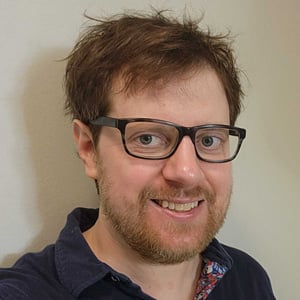
Every year for the last decade, the Rev. Catherine Askew has attended the Ottawa ceremony commemorating National Indigenous Veterans Day, which recognizes the contributions of Indigenous military veterans—particularly in the two world wars and the Korean War. It takes place annually on Nov. 8, three days before Remembrance Day.
A military chaplain, co-chair of the Anglican Council of Indigenous Peoples and member of Moose Factory Cree Nation, Askew supports Aboriginal Veterans Autochtones, the Canada-wide association that organizes the ceremony at the National Aboriginal Veterans Monument. She says the Anglican Church of Canada should observe National Indigenous Veterans Day as part of its commitment to reconciliation with Indigenous peoples.
“It’s so incredibly important to remember that when Indigenous people weren’t even considered persons under the law, when their children were being taken away to residential schools, when they were still restricted by a pass control system on the reserves and could only leave with an Indian agent’s permission, they were still volunteering to fight in World War I and World War II at a higher rate than any other people in Canada,” Askew says.

A 2019 report to the House of Commons Standing Committee on Veterans Affairs concluded, “During the great conflicts of the 20th century, Indigenous people voluntarily enlisted at a higher rate than other Canadians.” Veterans Affairs Canada says during the First World War, some Indigenous communities such as the Head of the Lake Band in British Columbia saw every man between the ages of 20 and 35 enlist.
National Indigenous Veterans Day does not replace Remembrance Day, Askew says, but emerged from the exclusion of Indigenous veterans at national remembrance ceremonies.
Historically, Canada’s Indian Act prohibited Indigenous people from entering Royal Canadian Legion halls due to discriminatory alcohol laws. Meanwhile, Indigenous groups were not allowed to lay wreaths at official Remembrance Day ceremonies until 1995.
The first observance of National Aboriginal Veterans Day took place in Winnipeg in 1994.
Bishop Jennifer Gosse-Vingerhoeds, bishop ordinary of the Anglican Military Ordinariate, says while most Anglican parishes in Canada recognize Remembrance Day in some way, in her experience the same is not true of National Indigenous Veterans Day.
“If veterans are being prayed for in a service, the experience of Indigenous veterans should also be included in the prayers, remarking upon the injustice they have suffered and praying God to guide us in our reconciliation efforts,” Gosse-Vingerhoeds says.
Askew would like to see parishes observe National Indigenous Veterans Day by mentioning Indigenous veterans in the prayers of the people or asking Indigenous veterans if they would like to speak at a service.